Open Schooling (optional)
Otevřené školství
Learning in- and together with the real world creates more meaning and more motivation for learners and teachers. (OSOS)
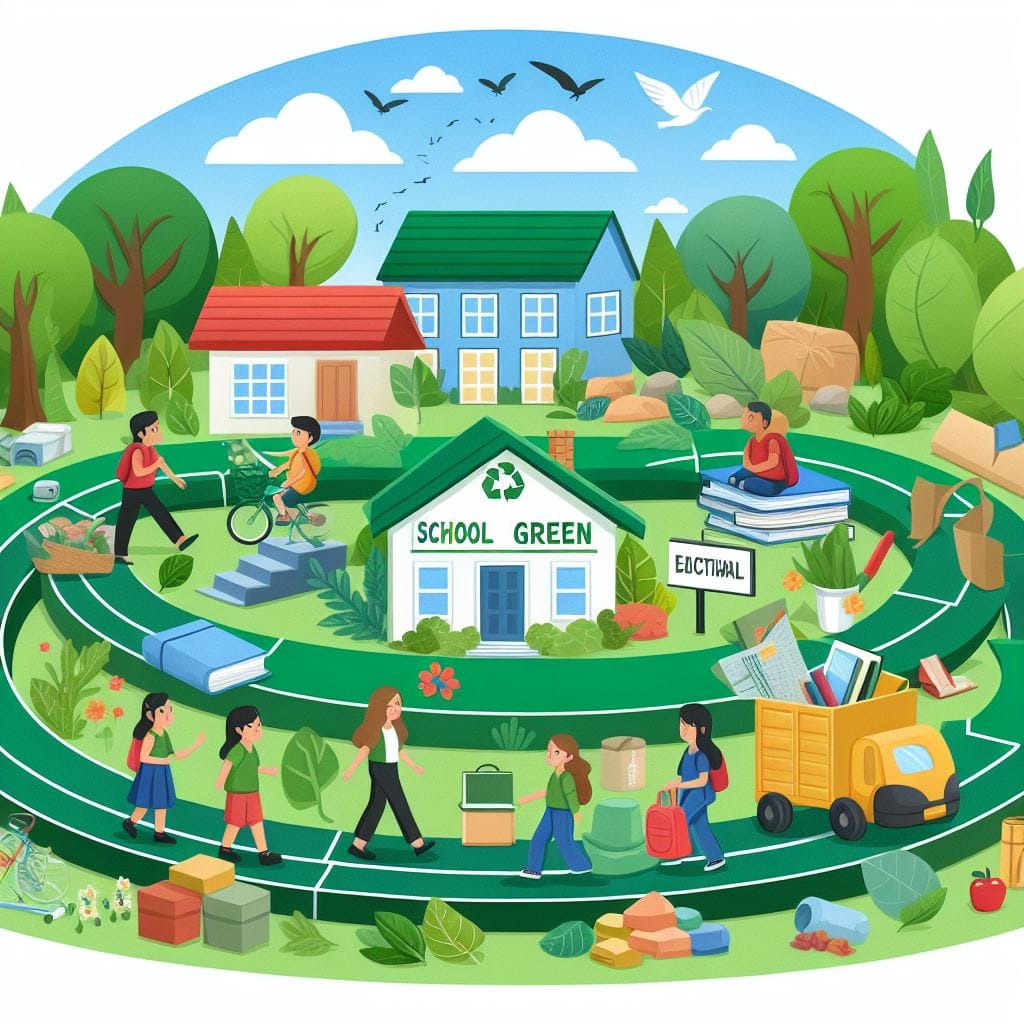
What is open schooling?
Open schooling is an educational system designed to provide flexible learning opportunities outside the traditional classroom setting. It allows students to study at their own pace, place, and time, making it particularly beneficial for those who cannot attend regular schools due to various reasons such as geographic, economic, social, or personal constraints. Here are the key aspects of open schooling:
- Flexibility: Open schooling offers a flexible approach to education where students can choose their study schedule, pace, and sometimes even the subjects they want to study. This flexibility makes education accessible to a broader audience, including working adults, students in remote areas, and those with special needs.
- Self-paced learning: Students in open schooling programs can progress through the material at their own speed. This is especially beneficial for learners who may need more time to understand certain concepts or for those who wish to accelerate their studies.
- Access to diverse resources: Open schooling utilizes various resources such as printed materials, online courses, multimedia content, and community learning centers. These resources are designed to support independent learning and provide a comprehensive educational experience.
- Certification: Many open schooling systems offer recognized certifications that are equivalent to those provided by traditional schools. For instance, the National Institute of Open Schooling (NIOS) in India provides certificates for secondary and senior secondary education that are recognized by universities and employers.
- Inclusivity: Open schooling is inclusive, catering to the educational needs of diverse groups, including marginalized communities, differently-abled individuals, and those who have dropped out of traditional schools.
- Lifelong learning: It promotes the concept of lifelong learning by providing opportunities for individuals of all ages to pursue education and improve their skills at any stage of their life.
Video: What is open schooling ( 3.16)
The importance of open schooling
We recognize the significant role that open schooling can play in modern education. Open schooling emphasizes flexibility, inclusivity, and accessibility, allowing learners to study independently or in non-traditional settings. This model is particularly beneficial for integrating themes such as sustainability and the sustainable development goals (SDGs).
Benefits in the context of SDGs:
- Promotes lifelong learning (SDG 4): Open schooling supports continuous educational opportunities, aligning with the goal of ensuring inclusive and equitable quality education.
- Encourages sustainable practices (SDG 12): Integrating sustainability topics into open school curricula helps learners understand and practice responsible consumption and production.
- Fosters global citizenship (SDG 17): Encourages collaboration and partnerships across borders, promoting a shared commitment to global sustainability.
Practical applications for sustainability education:
- Curriculum design: Courses focused on climate change, biodiversity, and renewable energy can be made accessible through open schooling platforms.
- Community projects: Students can engage in local sustainability projects like community gardens and recycling programs, integrating these into their learning.
- Interactive learning: Digital tools and online resources can create engaging learning experiences that cover the SDGs and their implementation.
Examples of open schooling initiatives in Europe:
- Open Schooling for Open Societies (OSOS): This project involves schools in several European countries, promoting collaboration with local communities to solve real-world problems. For instance, the “Friendly Cities 4All” project in Greece engages students in mapping urban areas for accessibility improvements for people with disabilities.
- Make it Open Project: Funded by the European Union’s Horizon 2020 program, this initiative supports the integration of open schooling in science education by collaborating with families, experts, and stakeholders. It includes projects like “Science in the Schoolyards” in Portugal, which uses schoolyards as core spots for teaching science through hands-on projects.
Challenges and considerations:
- Ensuring all students have access to necessary technology and internet connectivity is crucial.
- Maintaining high standards and consistent quality across open schooling programs is essential.
- Providing adequate support and guidance to learners, especially those who may struggle with self-directed learning, is vital.
In conclusion, it is essential to leverage open schooling to enhance education, particularly in achieving the SDGs. By utilizing technology and flexible learning models, open schooling can provide inclusive, equitable, and high-quality education, preparing learners to contribute to a sustainable future.
 CS
CS  EN
EN  NL
NL  DE
DE  EL
EL  PT
PT  SV
SV